
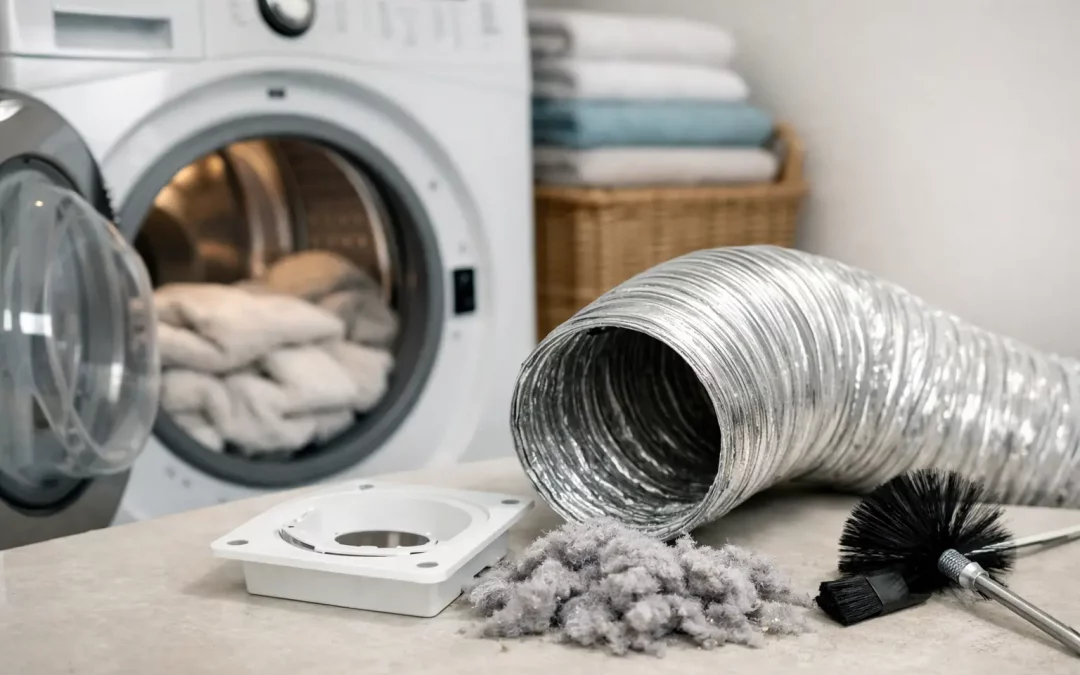
A clean electric dryer vent is not just a housekeeping detail. It affects drying time, energy use, indoor moisture, and most importantly, fire safety. If laundry that once dried in one cycle now takes two, the dryer may not be the real problem. Lint can build up in the exhaust path behind the appliance, reducing airflow and making the dryer work much harder than it should.
For homeowners across Halifax Regional Municipality, this is especially relevant during damp Nova Scotia weather, when laundry rooms can already feel humid. A dryer that cannot exhaust properly may leave clothes warm but damp, create excess heat around the appliance, and turn a simple load of towels into an all-day task.
Why a Clean Electric Dryer Vent Matters
Electric dryers produce heat and push moisture out of the home through a vent. The lint screen catches a great deal of fabric debris, but it does not catch everything. Fine lint passes around the screen, settles in the dryer cabinet and vent duct, and gradually narrows the pathway to the outside.
As airflow drops, the dryer needs more time to dry the same load. That can increase electricity use and put added wear on heating components, thermostats, motors, and belts. It can also cause the dryer to overheat or shut down partway through a cycle.
The larger concern is lint itself. It is highly combustible, and a restricted vent allows heat to linger where it should not. Regular cleaning helps reduce that risk, but the method matters. Cleaning only the lint screen is necessary after every load, yet it is not a substitute for servicing the full vent run.
A proper vent path should be as short and straight as the home allows, with a secure exterior hood that opens freely when the dryer is running. Long duct runs, multiple bends, crushed flexible ducting, and blocked exterior flaps all make lint accumulation more likely.
Signs Your Dryer Vent Needs Attention
Most vent restrictions give homeowners a few warnings before they become a major disruption. The clearest sign is longer drying time. If normal loads need a second or third cycle, check the lint screen first, then consider the vent system.
Other common warning signs include clothes that feel unusually hot, a laundry room that becomes steamy or overly warm, and a burning or dusty smell during operation. You may also notice very little air coming from the exterior vent hood while the dryer is running. The flap should open with a steady flow of warm air.
Pay attention if the dryer repeatedly stops before the cycle is finished or displays an airflow-related error. Some newer models are designed to detect restricted exhaust, but not every dryer provides an alert. A dryer can still run with a partially blocked vent while quietly using more power and putting strain on its components.
A damaged vent can cause similar symptoms. Ducting that has become disconnected, crushed behind the dryer, or chewed by pests may allow lint and moist air into the wall, basement, garage, or laundry room instead of sending it outdoors. That situation calls for prompt inspection rather than another dryer cycle.
How Often Should You Clean an Electric Dryer Vent?
For most households, an annual vent cleaning is a sensible baseline. A home with a large family, frequent laundry, pets, heavy bedding, or a long vent route may need attention more often. Property managers should also consider regular checks between tenants, particularly in units where the dryer is used heavily.
The exact schedule depends on use and installation. A dryer vent that exits directly through an exterior wall may stay clearer longer than one that travels through a basement ceiling, several elbows, and a roof outlet. Roof vents can be more difficult to inspect and may need professional equipment to clean properly.
Cleaning the lint screen after every load remains the first line of defence. About once a month, wash the screen with warm water and a small amount of dish soap, then let it dry completely. Dryer sheets and fabric softener can leave a nearly invisible film that reduces airflow through the screen even when it looks clean.
What Homeowners Can Safely Check
Before inspecting anything, unplug the electric dryer. Pull it forward carefully without straining the power cord or crushing the vent behind it. If the duct is visibly kinked, torn, loose, or made from thin plastic or foil material, do not simply push it back into place and carry on. The connection and duct type may need to be corrected.
A basic homeowner check can include cleaning the lint screen housing with a narrow vacuum attachment, removing visible lint from the accessible section of ducting, and checking that the exterior hood is clear of lint, leaves, snow, or nesting material. Never run the dryer with the vent disconnected indoors. That releases humid air and lint into the home and can create a safety concern.
Avoid forcing long brushes or improvised tools deep into the vent. They can compact lint further inside, damage flexible ducting, or disconnect a joint hidden behind a wall. Leaf blowers are also a poor solution for many homes because they can push lint into areas you cannot see and do not address problems inside the dryer itself.
When Professional Dryer Vent Service Makes Sense
Professional service is worth considering when the vent route is long, hidden, difficult to access, or exits through the roof. It is also a good choice when drying times stay long after you have cleaned the screen and checked the exterior hood. At that point, the problem could be vent blockage, but it could also be a failed heating element, blower wheel issue, thermostat problem, sensor fault, or damaged duct connection.
A qualified technician can inspect the appliance and exhaust system as a whole instead of guessing. That distinction matters. Replacing a dryer part when the real issue is a blocked vent wastes money, while cleaning a vent will not fix a dryer with a weak heating circuit or failed moisture sensor.
Instant Appliance Repair helps homeowners identify whether poor dryer performance is caused by the appliance, the venting, or both. Clear diagnosis is especially useful when deciding whether an older dryer is worth repairing. In many cases, a straightforward repair and proper vent maintenance can extend its useful life. In others, recurring component failures or unsafe venting may make replacement or installation changes the more practical option.
A Simple Dryer Vent Safety Routine
A few habits make a meaningful difference between service visits:
- Clean the lint screen before or after every load, and never operate the dryer without it.
- Wash the lint screen periodically to remove residue that a dry wipe cannot remove.
- Keep the area around the dryer free of stored boxes, paper, clothing, and cleaning products.
- Check the exterior vent hood occasionally, especially after storms, heavy snow, or yard work.
- Arrange vent inspection and cleaning at least yearly, or sooner when drying performance changes.
Do not overload the dryer. Large, tightly packed loads restrict tumbling and can hold moisture longer, making it harder to tell whether the dryer is underperforming. For bulky comforters and thick towels, smaller loads often dry more evenly and put less stress on the appliance.
Vent Cleaning Is Also an Installation Issue
Some recurring vent problems begin with the original installation. The dryer may be pushed too close to the wall, pinching the duct every time it is moved back. The exterior termination may be screened in a way that catches lint, or the duct may have too many turns for efficient airflow.
If you are renovating a laundry area or replacing an electric dryer, ask for the venting to be assessed at the same time. A well-supported metal duct, secure joints, a clear route outdoors, and enough space behind the dryer can prevent many avoidable service calls. This is a small detail that protects the appliance you rely on every week.
When a load starts taking longer than usual, treat it as useful information rather than a minor inconvenience. Checking the airflow early can help keep laundry day predictable, reduce unnecessary energy costs, and give your electric dryer the safe working conditions it needs.