
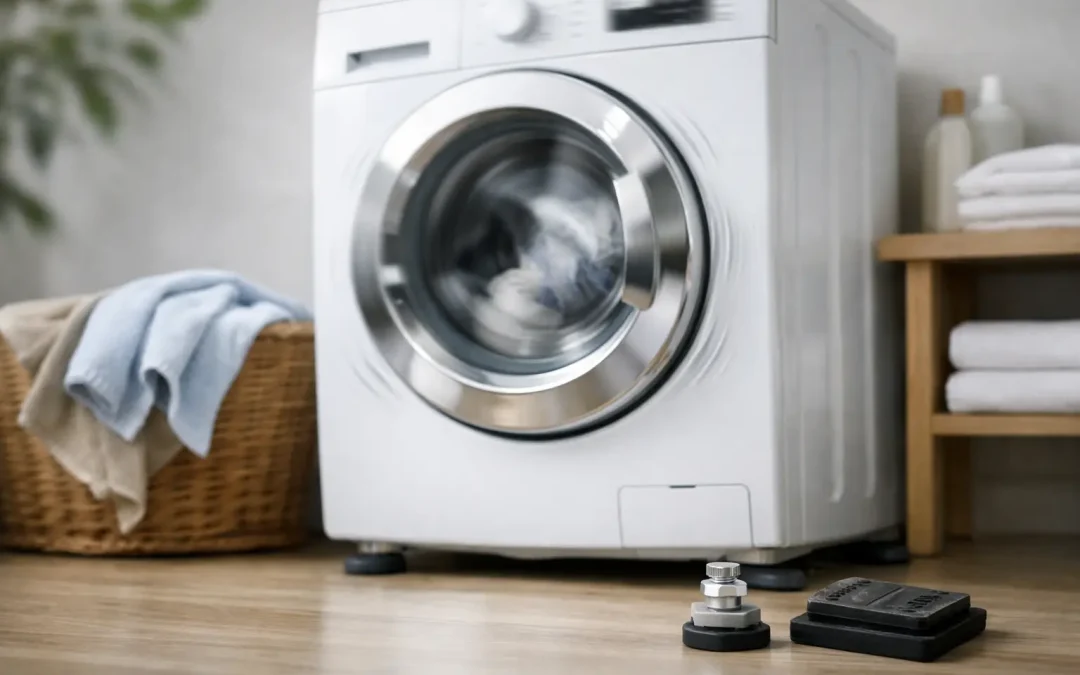
A washer that shifts a few centimetres during a heavy spin is one thing. A washer that bangs against the wall, walks across the laundry room, or makes the floor feel like it is shaking is another. This washing machine vibration example helps separate normal spin-cycle movement from a problem that needs attention before it damages the appliance, flooring, plumbing connections, or nearby cabinets.
Front-load and top-load washers both vibrate to some degree, especially as they accelerate into a high-speed spin. The goal is not perfect stillness. The goal is controlled operation: the machine stays in place, the sound remains steady, and the cycle finishes without repeated thumping or error messages.
A Washing Machine Vibration Example: Normal vs. Concerning
Imagine a top-load washer handling a load of towels. As the tub spins up, you may hear a low hum and feel a mild vibration through the floor. The cabinet might move slightly, then settle once the load distributes itself. That is generally normal.
Now picture the same machine with one heavy bath mat pushed to one side of the basket. When it reaches spin speed, the tub pulls hard toward that side. The washer rocks, bangs several times, and may pause or stop the cycle. This is a common unbalanced-load vibration example. It may be solved by rearranging the items, but repeated severe shaking should not be ignored.
A more serious example is a front-load washer that vibrates violently on every load, including small, evenly distributed loads. If it has always done this since installation, the most likely causes are an uneven floor, incorrectly adjusted feet, or shipping bolts that were never removed. If the problem starts suddenly after years of normal use, worn suspension parts, loose counterweights, or bearing trouble become more likely.
Start With the Simple Checks
Before assuming the washer has a failed internal part, stop the machine and check the basics. Unplug it before moving it or inspecting behind it.
First, look at the load. Large items such as comforters, robes, towels, pet beds, and small rugs can bunch together and throw the drum off balance. Add a few similar items to spread the weight, or wash one bulky item at a time using the machine’s bulky or bedding cycle if available. Avoid washing a single heavy item with a few lightweight pieces.
Next, press down on each corner of the washer. It should feel solid, without rocking. If it moves, the levelling feet need adjustment. All four feet must make firm contact with the floor, and the lock nuts should be tightened once the machine is level. A washer can appear level from the front while still being unstable because one rear foot is not bearing weight.
Also check the clearance around the cabinet. Hoses should not be stretched tight, kinked, or trapped behind the machine. The washer should not touch a wall, dryer, shelf, or pedestal. Contact with another surface can make ordinary vibration sound much worse and may eventually wear through a hose or damage the finish.
Why Laundry Room Floors Matter
Not every vibration problem begins inside the washer. Many homes in Halifax and surrounding Nova Scotia communities have laundry areas on older wood floors, upper levels, or finished basements where the surface is not perfectly flat. A high-efficiency washer can spin at much higher speeds than older models, so even a properly working appliance may expose movement in the floor beneath it.
A solid concrete floor usually absorbs vibration well. A flexible wood floor may amplify it, particularly when the washer is near the centre of a span rather than close to a supporting wall. Levelling the appliance remains the first step, but it may not eliminate every bit of floor movement.
Anti-vibration pads can help reduce noise and minor movement on a sound, level floor. They are not a fix for a machine that is badly unbalanced, has damaged suspension components, or sits on a floor with significant structural flex. Adding thick pads under a washer that is already unstable can sometimes make the rocking worse.
Common Mechanical Causes of Excessive Shaking
When the load is balanced and the washer is level, persistent vibration calls for a closer diagnosis. Different washer designs use different systems to control the drum, but several faults are common.
Worn suspension rods or shocks
Top-load washers often use suspension rods to support the tub. Front-load models commonly use shock absorbers. These parts limit tub movement during spin. As they wear, the drum may bounce excessively, hit the cabinet, or struggle to balance even ordinary loads.
A technician can inspect these components for weak resistance, broken mounts, leaks, or wear. Replacing only one worn shock when the matching part is equally tired may leave the washer unstable, so repairs often involve replacing parts as a set.
Damaged springs, counterweights, or mounts
Front-load machines may use heavy concrete counterweights and springs to keep the tub stable. A loose counterweight can create a deep knocking sound, especially during acceleration and deceleration. A broken spring or damaged mounting point can let the tub sit incorrectly and strike the cabinet.
These repairs are not ideal for a do-it-yourself approach. Internal components are heavy, access can be limited, and an incorrect repair can cause further damage during the next spin cycle.
Worn drum bearings or a damaged spider arm
A rumbling, grinding, or roaring sound that becomes louder as the washer spins can point to drum bearing wear. In some front-load washers, corrosion or cracking in the spider arm behind the inner drum can also cause severe wobble.
Try turning the empty drum slowly by hand. Roughness, scraping, or noticeable up-and-down play are warning signs. Bearing and drum support repairs can be substantial, and whether they are worthwhile depends on the washer’s age, model, overall condition, and the cost of the repair.
Loose components after a move or installation
If vibration starts immediately after a move, inspect the installation. Front-load washers are shipped with transit bolts that lock the drum in place. Running the machine with these bolts installed can cause extreme shaking and damage. They must be removed before regular use.
A machine can also become unlevel after being moved for cleaning, flooring work, or a renovation. Even a small adjustment to a foot can make a significant difference at high spin speed.
When to Stop Using the Washer
Pause use and arrange service if the washer moves far enough to pull on water hoses or the power cord, leaks during vibration, produces metal-on-metal grinding, smells hot or burnt, or repeatedly stops with an unbalanced-load error despite properly arranged laundry. Continued operation can turn a manageable repair into water damage, a broken hose, or a more expensive internal failure.
Do not try to hold a moving washer in place during spin. Let the cycle stop, switch off the appliance, and wait for the drum to come to a complete stop. If the cabinet has shifted, check that the water supply hoses and drain hose have not been strained before restarting anything.
What a Professional Diagnosis Should Include
A proper vibration diagnosis is more than adjusting the feet and hoping for the best. The technician should check the washer’s position, floor contact, load behaviour, cabinet condition, suspension system, tub movement, and signs of bearing or drive damage. They should also explain the likely cause in plain language and tell you whether the repair makes practical sense.
For homeowners, landlords, and property managers, this matters because the loudest symptom is not always the failed part. A banging machine may have a simple levelling issue, while a quieter rumble may be the early warning of bearing failure. Accurate diagnosis avoids replacing parts that will not solve the problem.
Instant Appliance Repair provides in-home washer diagnosis and repair for homeowners across Halifax Regional Municipality and nearby Nova Scotia communities. Same-day availability can be especially helpful when a vibrating washer has interrupted a household’s laundry routine or threatens a water connection.
A washer that stays put is easier on your home, your ears, and the appliance itself. If redistributing the load and levelling the feet do not settle the machine, treat the vibration as useful information and have the cause checked before the next high-speed spin.