
A new dishwasher or dryer should make life easier from the first day it arrives. But appliance installation in Halifax can quickly become frustrating when a water connection leaks, a cabinet opening is too tight, or an electrical outlet is not suited to the appliance. Professional installation helps prevent those delivery-day surprises and gives your new appliance the best chance of working properly for years.
For homeowners, landlords, and property managers across Halifax Regional Municipality, proper setup is not just about getting an appliance switched on. It is about safe connections, correct levelling, adequate ventilation, and a clear explanation of how to use and care for the appliance. Those details matter whether you are replacing a failed washer in Dartmouth or finishing a kitchen renovation in Bedford.
What Professional Appliance Installation Halifax Service Covers
Every appliance has its own installation requirements. Some are straightforward replacements, while others need cabinet adjustments, electrical checks, plumbing work, or careful fitting into a built-in space. A qualified appliance technician starts by confirming the appliance is compatible with the location and that the existing connections are in suitable condition.
For a refrigerator, that can mean checking clearance around the cabinet, levelling the unit so doors close properly, and connecting a water line when the model has an ice maker or dispenser. A refrigerator pushed tightly against a wall or cabinet can run hotter than it should, while an improperly connected water line can lead to a slow leak that is easy to miss.
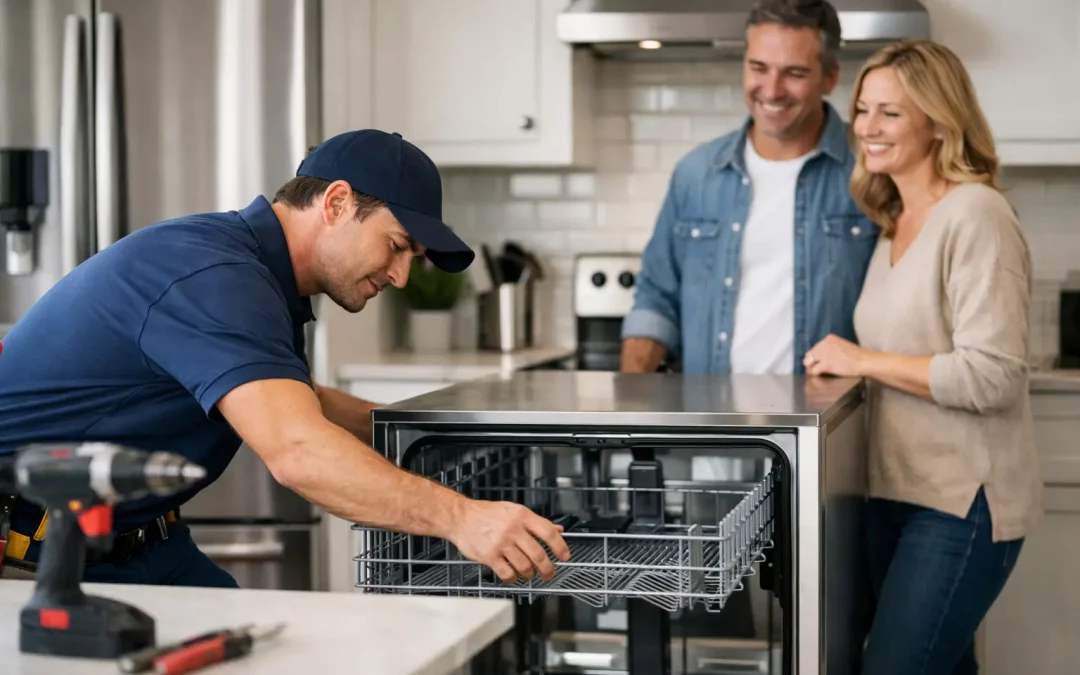
Dishwashers require special attention because they combine water, drainage, electricity, and cabinetry. The unit must sit level, the drain hose needs the right routing, and the water supply connection must be secure. A dishwasher that is not level may clean poorly, leak through the door, or leave water sitting in the tub after a cycle.
Laundry appliances have their own set of concerns. Washing machines need stable supply hoses, a correctly positioned drain hose, and solid levelling to reduce movement and vibration. Electric dryers need the correct electrical connection and a clean, properly routed vent. Long, crushed, or poorly sealed dryer vents can reduce drying performance and create an avoidable safety concern.
Built-in wall ovens, cooktops, range hoods, and built-in microwaves are often the least forgiving installations. Measurements must be right, mounting points must be secure, and electrical requirements need to match the appliance. If you are installing a gas appliance, arrange for a licensed gas fitter to complete the gas connection. It is not a job to treat as a general DIY project.
Why Delivery Setup Is Not Always Enough
Delivery teams play an important role, but their service is often limited to bringing an appliance inside and placing it in the room. Some retailers offer basic hookup services, but those services may not include correcting older plumbing, replacing unsuitable power connections, modifying cabinetry, or troubleshooting an issue discovered during setup.
That difference is especially relevant in older Halifax homes. A kitchen may have uneven floors, a laundry area may have aging shutoff valves, or a previous installation may have left behind a damaged cord, weak hose, or incorrect drain configuration. A new appliance cannot correct those problems on its own.
Professional installation also gives you an opportunity to catch fit issues before they become expensive. Counter-depth refrigerators, for example, can still need more room than expected for door swing and ventilation. A washer and dryer pair may fit the width of a laundry closet but leave no practical space for hoses, venting, or service access. The right solution depends on the appliance model and the room, not just the numbers on a product tag.
Prepare Your Home Before the Appointment
A little preparation makes installation faster and helps the technician focus on the work that matters. Make sure the appliance has been delivered and is accessible before the appointment. Clear a path from the entrance to the kitchen, laundry room, or basement, especially during wet or icy Nova Scotia weather.
If you are replacing an old appliance, decide in advance whether it will be removed by the retailer, a disposal service, or another arrangement. Clear items from nearby cabinets and remove laundry baskets, mats, and other obstacles around the work area. If the appliance is built in, have the model information available and let the technician know about any previous fitting or performance issues.
It also helps to locate the water shutoff valve, electrical panel, and appliance manual if you have them. You do not need technical knowledge to prepare, but sharing useful details can save time. For instance, mention if a dishwasher has leaked before, if a dryer has taken multiple cycles to dry clothes, or if an old refrigerator’s water line was disconnected.
The Details That Protect Your New Appliance
Many installation problems do not show up immediately. A loose hose connection may only drip after several wash cycles. An unlevel range may cause cookware to sit unevenly. A dryer that is operating with restricted venting may appear fine at first but take longer to dry and experience more strain over time.
Levelling is one of the most overlooked details. Refrigerators, dishwashers, washing machines, and ranges all need a stable, properly adjusted position. With a washer, even a small amount of instability can turn into loud vibration during a spin cycle. With a refrigerator, poor levelling can affect door operation and may contribute to noise.
Ventilation is another common concern. Refrigerators need room for heat to dissipate. Range hoods need suitable ducting where applicable, and dryers need a vent route that allows moist air to leave the home effectively. A technician can identify obvious restrictions and explain what should be corrected, rather than leaving you to wonder why a brand-new appliance is underperforming.
When Installation Becomes a Repair or Upgrade Decision
Sometimes an installation appointment reveals that the appliance is not the only issue. A failing outlet, damaged water valve, blocked vent, or deteriorated drain connection may need attention before the new unit can be used safely. That can feel inconvenient, but it is better to address the condition before it damages the appliance or your home.
There are also cases where repair makes more sense than replacement. If your current appliance has a single, repairable fault and is otherwise in good condition, replacing it may not be necessary. On the other hand, if a unit has recurring failures, poor efficiency, unavailable parts, or major corrosion, installing a replacement can be the more practical long-term choice.
An experienced technician should explain the trade-off in plain language. You deserve to know what the issue is, what work is needed, and whether your appliance is likely to provide reliable service after the repair. That practical advice is part of the customer-first approach at Instant Appliance Repair.
Choose Help That Fits Your Appliance and Your Home
The best installer is not simply someone who can connect a plug or tighten a hose. Look for a local appliance service provider with experience across the appliance types in your home, from washers and electric dryers to dishwashers, wall ovens, refrigerators, wine coolers, cooktops, and range hoods.
Fast scheduling matters when a broken appliance has disrupted your routine, but the work should not be rushed. A professional visit should include checking the basic connections, confirming stable operation, looking for visible leaks or concerns, and answering your questions before the technician leaves. For repair work, warranty coverage on parts and labour also provides useful peace of mind.
If you manage rental properties, clear installation records can be particularly helpful. Knowing when an appliance was installed, what was adjusted, and what care was recommended makes future maintenance easier and helps you respond quickly if a tenant reports a problem.
Before your appliance delivery date, take five minutes to measure the opening, check the pathway into your home, and look at the existing connections. That small step can turn a stressful replacement into a straightforward appointment and help your new appliance start working the way it should.