
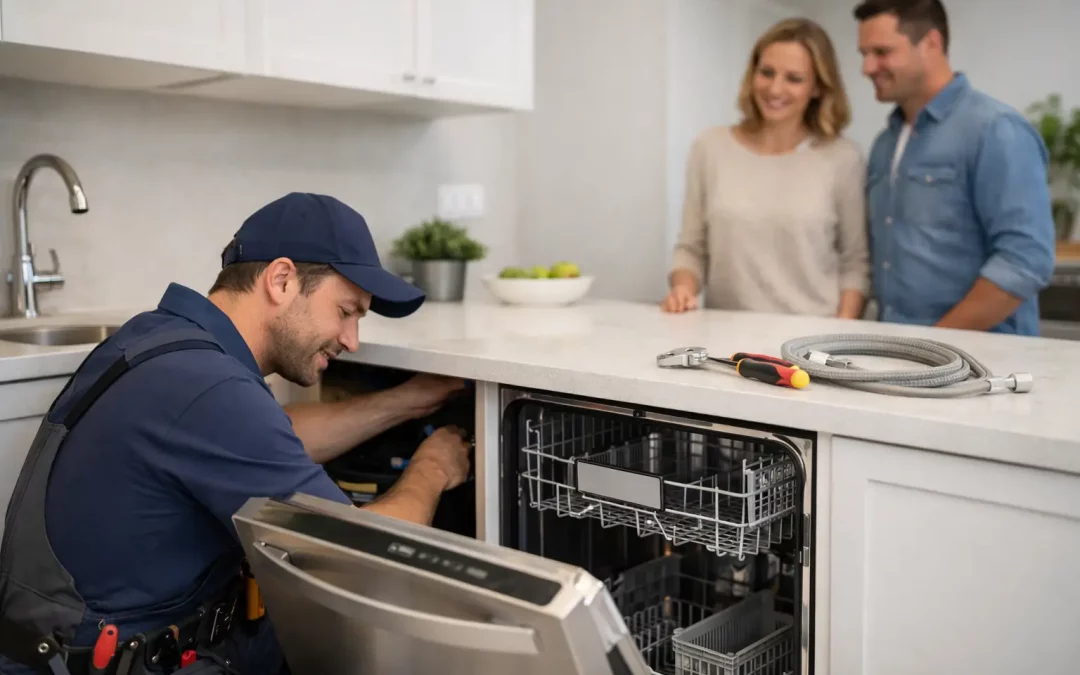
A new dishwasher should make life easier from the first load, not leave you checking under the sink for drips or wondering why the cabinet door will not close. A professional dishwasher installation service Halifax homeowners can depend on takes care of the details that affect safety, performance, and the life of the appliance.
Whether you are replacing a dependable older unit, finishing a kitchen renovation, or setting up a rental property, proper installation matters. The dishwasher needs a secure water connection, correctly routed drain hose, reliable electrical supply, and careful levelling. Miss one of those steps and even a high-quality machine can run poorly.
What a Dishwasher Installation Includes
Dishwashers may look similar from the outside, but the space behind the lower cabinet can be very different from one Halifax home to the next. Older kitchens may have aging shutoff valves, limited room for hoses, hardwired electrical connections, or plumbing that was modified over the years. A technician starts by checking what is already there before connecting the new appliance.
A proper installation usually involves removing the existing dishwasher if needed, inspecting the water supply and drain connection, positioning the new unit, and making the required connections. The dishwasher must sit level and be firmly secured to the cabinet or counter according to the manufacturer’s instructions. This keeps the door aligned, prevents movement during use, and helps the racks slide as they should.
The drain hose also needs particular attention. It must be routed to prevent dirty water from flowing back into the dishwasher. Depending on the kitchen setup and appliance requirements, this may involve a high loop, an air gap, or connection through a garbage disposer. If a disposer has just been installed, the dishwasher drain knockout must be removed before the machine can drain properly.
Before the job is complete, the installer should run a test cycle or fill-and-drain test, inspect connections for leaks, and confirm the dishwasher is draining correctly. It is a straightforward process when the home is ready for it, but it is not a job to rush.
Why Professional Dishwasher Installation Service in Halifax Matters
A dishwasher connects water, drainage, electricity, cabinetry, and flooring in one tight space. That is why a small installation error can lead to a frustrating problem later. A slow leak may damage cabinet bases or flooring before it is noticed. A poorly levelled unit can leave water sitting in the tub or cause the door to swing open. A pinched hose can restrict drainage and trigger error codes.
Professional service is especially useful when replacing an appliance in an older home. The new dishwasher may be deeper, taller, or configured differently than the old one. Flooring added after the previous installation can reduce the opening height. Stone counters may require a different mounting method. A technician can identify these issues before forcing the unit into place or damaging nearby finishes.
Electrical requirements also vary. Some dishwashers plug into an outlet in the adjacent cabinet, while others are hardwired. The appliance instructions and the condition of the existing electrical connection both need to be considered. If an electrical or plumbing upgrade is required, it is better to know before installation day than after the old dishwasher has been removed.
Common Problems Found Before a New Dishwasher Goes In
Many installations are simple, but the kitchen itself may need attention first. The most common issues are not always visible until the old machine is pulled out.
A worn water shutoff valve is one example. If it will not fully close or begins leaking when moved, it should be addressed before connecting a new supply line. Old drain hoses, corroded fittings, and damaged cabinet openings can create similar delays. In some homes, the dishwasher has been installed over flooring that was added later, making removal and replacement more involved.
Here are four issues worth checking early:
- The opening is too short or too narrow for the new dishwasher model.
- The water shutoff valve does not operate properly or shows signs of corrosion.
- The drain connection is blocked, incorrectly configured, or missing the required knockout removal.
- The electrical connection does not match the new appliance or needs assessment before use.
None of these automatically means the installation cannot proceed. It does mean the job may require extra work, a different installation approach, or help from the appropriate trade. Honest advice at this stage can prevent a temporary fix from becoming a larger repair later.
How to Prepare for Your Installation Appointment
A little preparation helps the visit move quickly. Clear the sink cabinet so the water valve and drain connections are accessible. Remove cleaning supplies, bins, and anything stored beside the dishwasher opening. If you are keeping the old unit until the replacement arrives, avoid disconnecting it yourself unless you are confident the water supply can be shut off securely.
Have the new dishwasher model information available, along with any installation parts supplied by the manufacturer. Some models include a water line or power cord, while others require them separately. If you have chosen a panel-ready or built-in dishwasher, make sure the cabinet panel and hardware are ready as well.
It also helps to mention any known concerns when booking. Perhaps the previous dishwasher leaked, never drained well, tripped a breaker, or was difficult to remove. That information gives the technician a clearer picture of what to inspect. For landlords and property managers, arranging access to the unit and clearing the area ahead of time can reduce disruption for tenants.
Replacing a Dishwasher or Repairing the One You Have
Not every dishwasher problem calls for replacement. A unit that will not drain, leaves dishes dirty, leaks from the door, or stops mid-cycle may have a repairable issue such as a worn seal, faulty pump, blocked filter, damaged latch, or failed control component. If the appliance is otherwise in good condition, repair can be the practical choice.
Replacement may make more sense when the dishwasher is older, needs several costly parts, has recurring leaks, or no longer fits your household’s needs. Newer models can offer quieter operation, improved rack layouts, and lower water use, but they also need to fit the existing opening and connections. The least expensive machine is not always the best value if installation changes or early repairs erase the initial savings.
A knowledgeable technician can assess the condition of the current appliance and explain the options plainly. Instant Appliance Repair provides local in-home appliance support across Halifax Regional Municipality and nearby Nova Scotia communities, helping homeowners make decisions based on the appliance, the kitchen setup, and the likely cost of the work.
What to Look for in a Local Installer
When choosing a dishwasher installer, look beyond the basic promise to connect the appliance. You want someone who can identify a plumbing or fit issue before it causes damage, communicate clearly about additional work, and respect your kitchen while working in it.
Fast scheduling matters when a kitchen is disrupted, particularly for busy families and rental properties. So does clear communication. A good service visit should leave you knowing what was installed, whether any existing connections need attention, and how to use the dishwasher without creating preventable problems.
Ask whether the technician will test for leaks and drainage before leaving, whether removal of the old unit is included, and what happens if an unexpected issue is found. These questions are not about making the job complicated. They are how you avoid surprises.
After Installation: Simple Habits That Help
Once the dishwasher is in place, use the detergent amount recommended for your water conditions and the appliance. Too much detergent can leave residue, while the wrong product can affect cleaning performance. Clean the filter regularly, particularly if dishes often go in with food debris attached.
Check below the sink occasionally for moisture around the water connection and drain hose, especially during the first few weeks. Do not ignore a musty smell, standing water in the bottom of the tub, or a door that suddenly rubs against the cabinet. Early attention can turn a small adjustment into a quick service call instead of a cabinet repair.
A dishwasher installation is one of those home jobs that should disappear into daily life once it is done right. If your new appliance is waiting in the box or your old unit is giving up, arrange qualified help, clear the space, and let the first cycle be the start of a quieter kitchen routine.